Brazil's aquifers deplete, risking global food supply and prices
Brazil's critical aquifers are being depleted due to climate change and unsustainable farming, threatening the country's water supply and agricultural exports. This could lead to reduced crop yields …
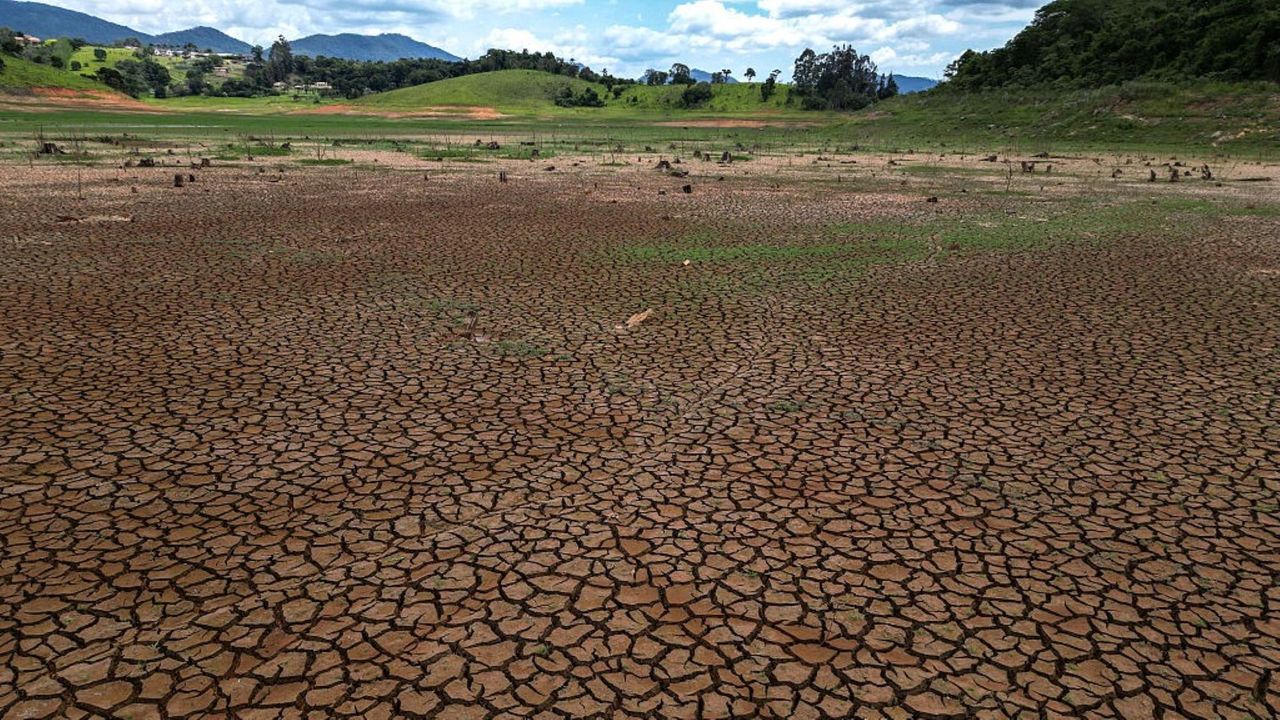
New research indicates that Brazil's critical aquifers, particularly those beneath key agricultural areas, are not being replenished, raising alarms about the country’s future water supply and its impact on global food exports.
Brazil is a major player in the agricultural market, being one of the world’s largest producers of soybeans, coffee, and beef. These crops rely heavily on consistent water sources, and aquifers are vital for irrigation, especially during dry spells. The study highlights that climate change, coupled with unsustainable farming practices and deforestation, has exacerbated the depletion of these aquifers. As Brazil faces increasingly severe droughts, the urgency for sustainable water management has never been clearer.
Researchers have found that significant aquifers, such as the Guarani and the Bauru, are showing alarming signs of over-extraction, which could lead to long-term water shortages. If these trends continue, Brazil could see a drastic reduction in crop yields. This not only threatens food security within Brazil but could also disrupt global markets, as many countries rely on Brazilian exports. The potential for rising food prices and increased competition for water resources could have far-reaching consequences.
Looking ahead, Brazil must adopt more sustainable agricultural practices and improve water management to prevent further depletion of its aquifers. Policymakers are under pressure to implement strategies that balance agricultural needs with environmental preservation. If not addressed, Brazil's aquifer crisis could serve as a cautionary tale for other countries facing similar challenges, underlining the importance of sustainable resource management in an era of climate change.
Read Full Story at Live Science →