Astronauts lose 20% throat strength after six months in space
Zero gravity weakens throat muscles by up to 20% over six months, making swallowing harder and increasing choking risks. Astronauts also drink 30% less water, risking dehydration and cognitive declin…
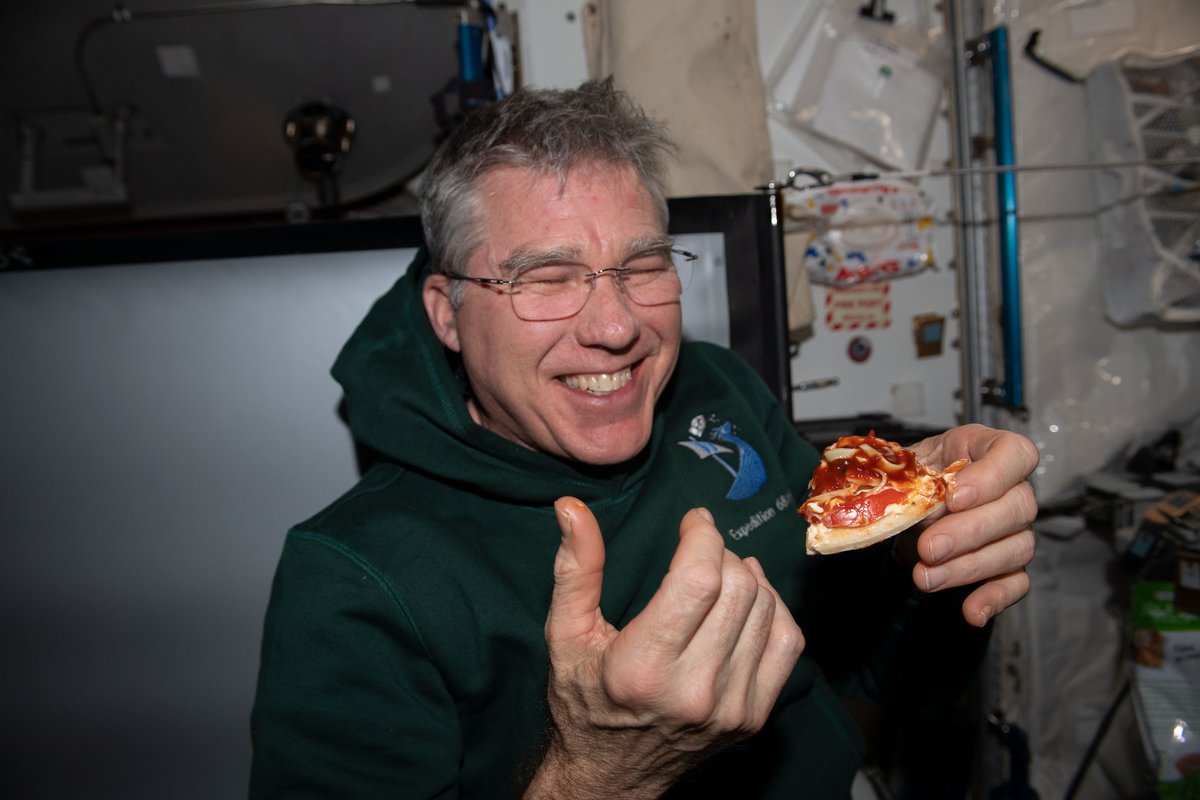
Astronauts spending months in space face a surprising challenge: how to eat and drink without gravity making a mess.
Eating in zero gravity isn’t just about floating food. Without gravity, crumbs and droplets can drift into equipment, damage systems, or get inhaled. NASA and other space agencies have spent years studying how spaceflight changes the human body’s ability to manage food and fluids. New research shows that even simple tasks like swallowing become more complex when gravity is absent.
A team of scientists reviewed data from astronauts on the International Space Station (ISS) and found that extended spaceflight weakens the muscles involved in chewing and swallowing. Over six months in orbit, astronauts lost up to 20% of their muscle mass in the esophagus and throat. This makes swallowing harder and increases the risk of food particles or liquid entering the airway. The study also found that astronauts drank 30% less water than recommended because the sensation of thirst is reduced in space. Without proper hydration, fatigue and cognitive performance suffer, which can affect mission safety.
The findings matter for future long-duration missions, like trips to Mars. If astronauts struggle to eat and drink, their health could decline faster, threatening the success of the mission. NASA is now testing new food packaging and utensils designed to reduce crumbs and spills. Researchers are also exploring ways to stimulate thirst and improve muscle function in space. Without solutions, astronauts could face serious health risks on the long journey to the red planet.
Read Full Story at Scientific American →