Samsung reveals Galaxy S26 FE with Qualcomm technology at FCC
The Galaxy S26 FE will use a combination of Samsung’s own silicon for cellular functions and Qualcomm technology for wireless networking, marking a shift in component sourcing for Samsung’s mid-range…
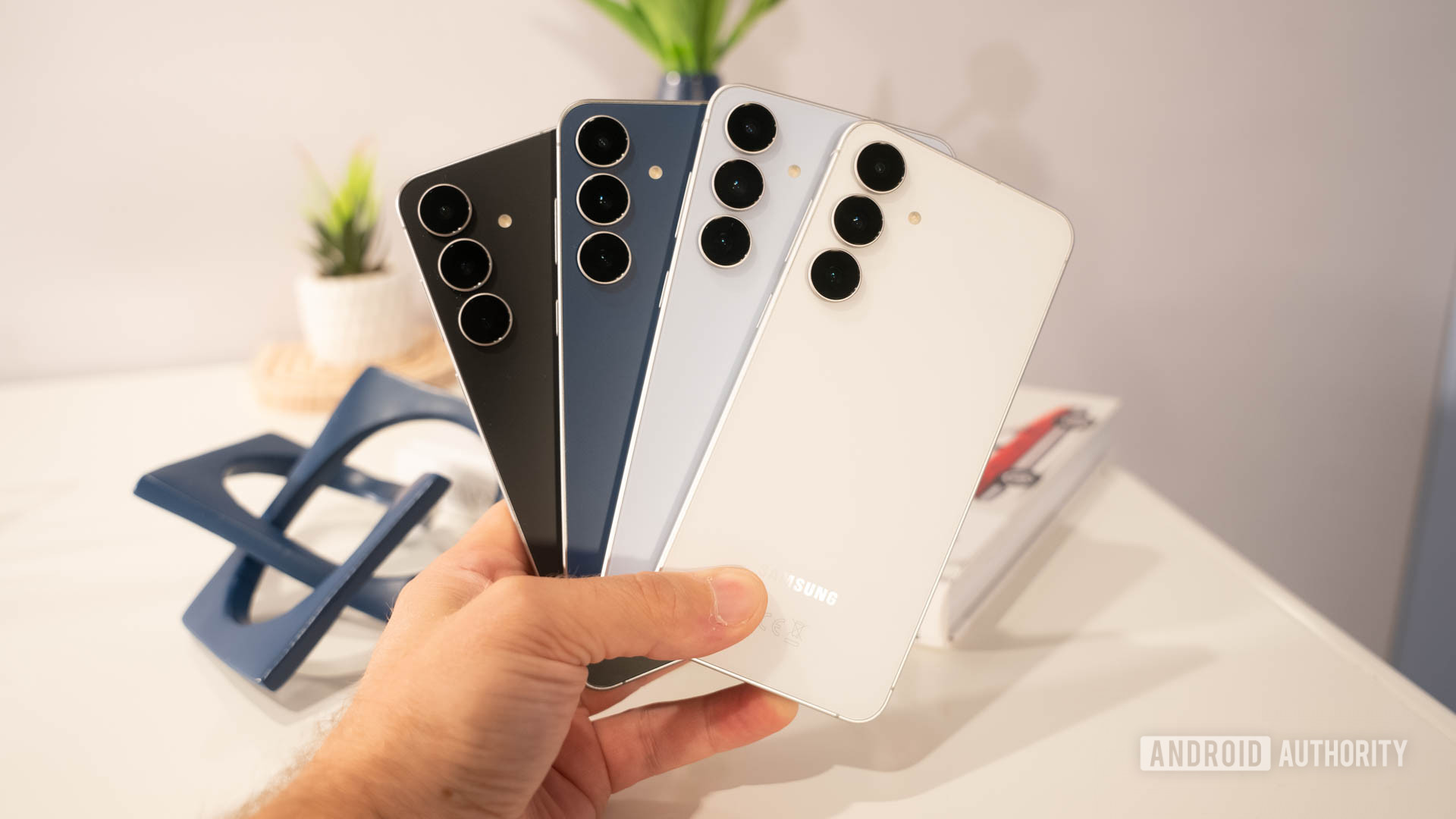
Samsung has officially exposed the technical underpinnings of its upcoming Galaxy S26 FE through a new Federal Communications Commission filing, revealing a surprising hardware configuration that challenges long-standing industry assumptions. The regulatory documents, which serve as a mandatory step for devices sold in the United States, confirm that the budget-conscious flagship will utilize a hybrid approach to wireless connectivity. Rather than relying on a single chip manufacturer for all radio frequency tasks, the phone combines Samsung’s own silicon for cellular operations with Qualcomm technology for local wireless networking. This distinction is crucial for consumers and analysts alike, as it suggests a strategic shift in how Samsung sources components for its mid-range premium devices. The filing explicitly mentions S.LSI technologies for cellular or WWAN functionality while noting Qualcomm FastConnect for WLAN capabilities. This specific combination indicates that the device is likely powered by an Exynos chipset rather than the Snapdragon processors typically found in US-market Samsung flagships. For years, Samsung has differentiated its global and North American offerings by using Exynos chips in international markets and Qualcomm Snapdragon chips in the US. This new evidence implies that the Galaxy S26 FE may break that tradition, potentially bringing the same Exynos-based hardware to American buyers as the rest of the world.
This architectural change marks a significant departure from the previous generation. The Galaxy S25 FE’s regulatory documentation listed only Samsung transmission technologies, suggesting a more uniform or different internal setup. The introduction of Qualcomm’s FastConnect suite, which handles Wi-Fi and Bluetooth rather than cellular data, points to a deliberate cost or efficiency optimization. Qualcomm’s FastConnect chips are widely regarded for their reliability and power efficiency in local connectivity tasks. By pairing an Exynos modem with a Qualcomm Wi-Fi chip, Samsung may be seeking to balance performance with thermal management and battery life. This hybrid strategy could also be a response to supply chain dynamics or component pricing, allowing Samsung to secure high-quality networking hardware without committing to a full Snapdragon system-on-chip. The absence of any reference to Qualcomm’s Smart Transmit technology, which is associated with their cellular modems, further reinforces the likelihood that the core processing and cellular communication are handled entirely by Samsung’s in-house Exynos 2500 processor. This move might disappoint enthusiasts who prefer Snapdragon chips for their perceived performance advantages, but it aligns with a broader industry trend toward specialized component sourcing.
Beyond the processor debate, the filing confirms several key specifications that position the S26 FE as a strong contender in the mid-range market. The device supports 45W wired charging, a speed that matches previous leaks and notably exceeds the charging capabilities of the base Galaxy S25 model. This faster charging rate is a significant selling point for users who prioritize quick top-ups over wireless convenience, although the phone does retain reverse wireless charging functionality for powering accessories. The listing also verifies support for Wi-Fi 6, near-field communication for payments, and a supplemental satellite communication feature similar to T-Mobile’s direct-to-cell service. These features ensure that the FE model does not compromise on modern connectivity standards despite its lower price point compared to the flagship S26 series. The inclusion of satellite support is particularly noteworthy, as it brings emergency communication capabilities to a broader audience, a feature previously reserved for high-end models.
The Galaxy S26 FE is expected to launch in the coming weeks, joining a growing body of leaked information that has detailed its camera system and design. Previous reports had already hinted at the Exynos 2500 processor, and this FCC filing provides the concrete evidence needed to confirm that suspicion. As Samsung prepares to release the device, the focus will shift to how the hybrid chip configuration performs in real-world usage. If the combination of Exynos and Qualcomm components delivers stable performance and efficient battery life, it could set a new precedent for future FE models. The market will be watching closely to see if this hardware strategy allows Samsung to maintain its premium features while keeping the price accessible. For now, the confirmation of the Exynos chipset with Qualcomm Wi-Fi support serves as the final piece of the puzzle before the official unveiling.
Read Full Story at Android Authority →