Research reveals East Portland faces multiple hazards due to underinvestment
Research shows that East Portland faces multiple natural hazards like landslides, wildfires, and flooding, exacerbated by underinvestment in vulnerable, low-income neighborhoods. As climate change wo…

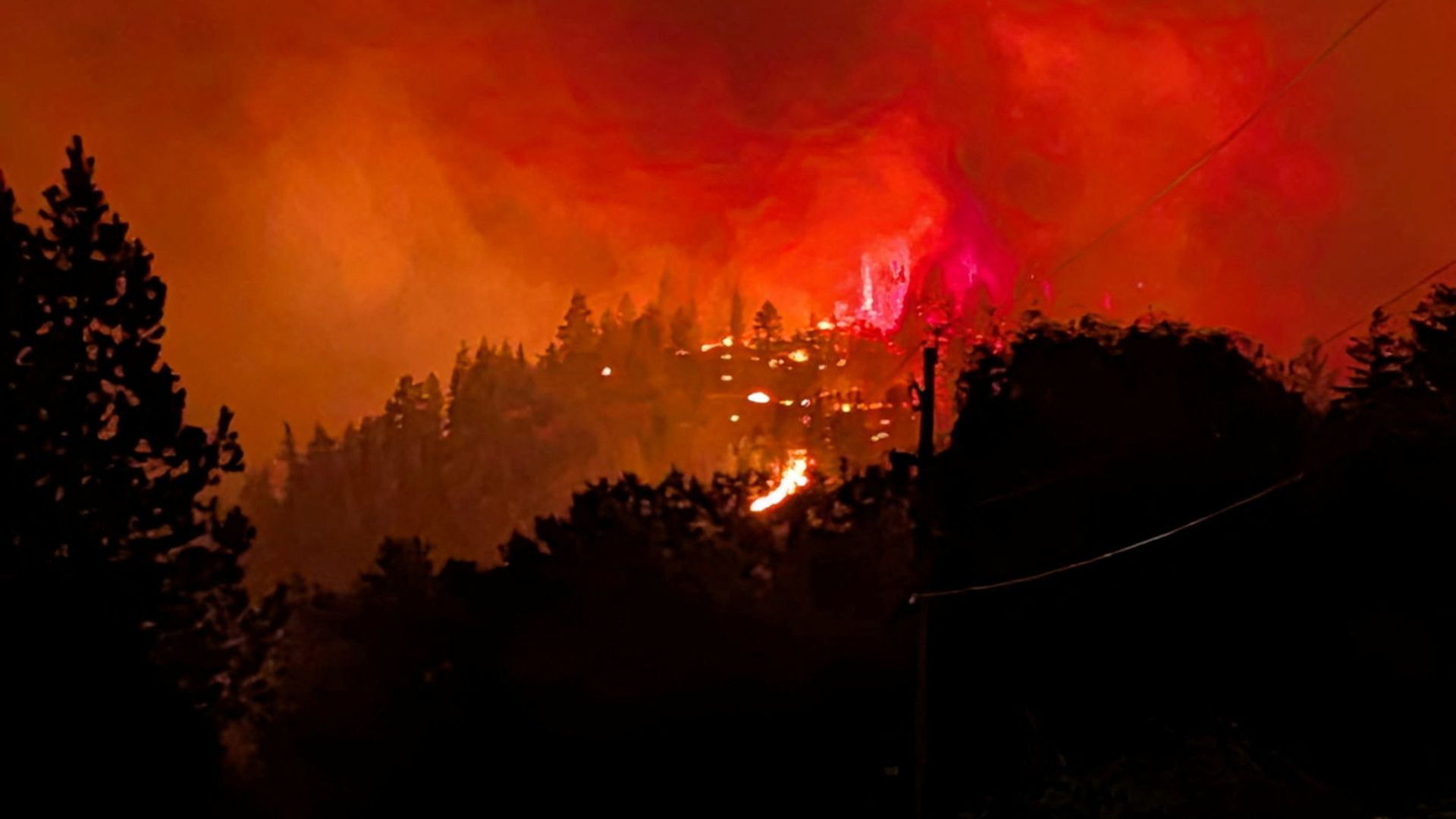
Research from Portland State University reveals that East Portland is facing a convergence of natural hazards, including landslides, wildfires, flooding, and extreme heat. The study highlights that neighborhoods in this area, which have historically received less investment, are particularly vulnerable. These communities often have lower median incomes, limited access to education, and greater racial diversity.
The findings bring attention to the urgent need for investment in these at-risk neighborhoods. As climate change intensifies these hazards, the lack of resources and infrastructure in these areas makes them more susceptible to the effects of extreme weather. The study underscores the importance of addressing social and economic disparities to better prepare these communities for future challenges.
Residents in the most affected areas are already experiencing the harsh realities of their environment. Reports of increased flooding during heavy rains and the growing threat of wildfires have become common. This year alone, Portland has seen significant temperature spikes, putting additional stress on vulnerable populations, including children and the elderly. Experts emphasize that these compounding risks are not only a matter of environmental concern but also a social justice issue.
Moving forward, local government and community organizations must prioritize funding and resources for these neighborhoods. Strategies could include improving infrastructure, enhancing emergency response plans, and increasing community education on climate resilience. Addressing these issues is crucial not only for the safety of residents but also for fostering equity across the city as climate challenges continue to evolve.
Read Full Story at Phys.org →