Pretoria police arrest two men after seizing endangered parrot eggs
Two men face charges after police seized endangered parrot eggs in Pretoria, disrupting a smuggling network targeting Dubai buyers. This arrest underscores the persistent illegal wildlife trade in so…
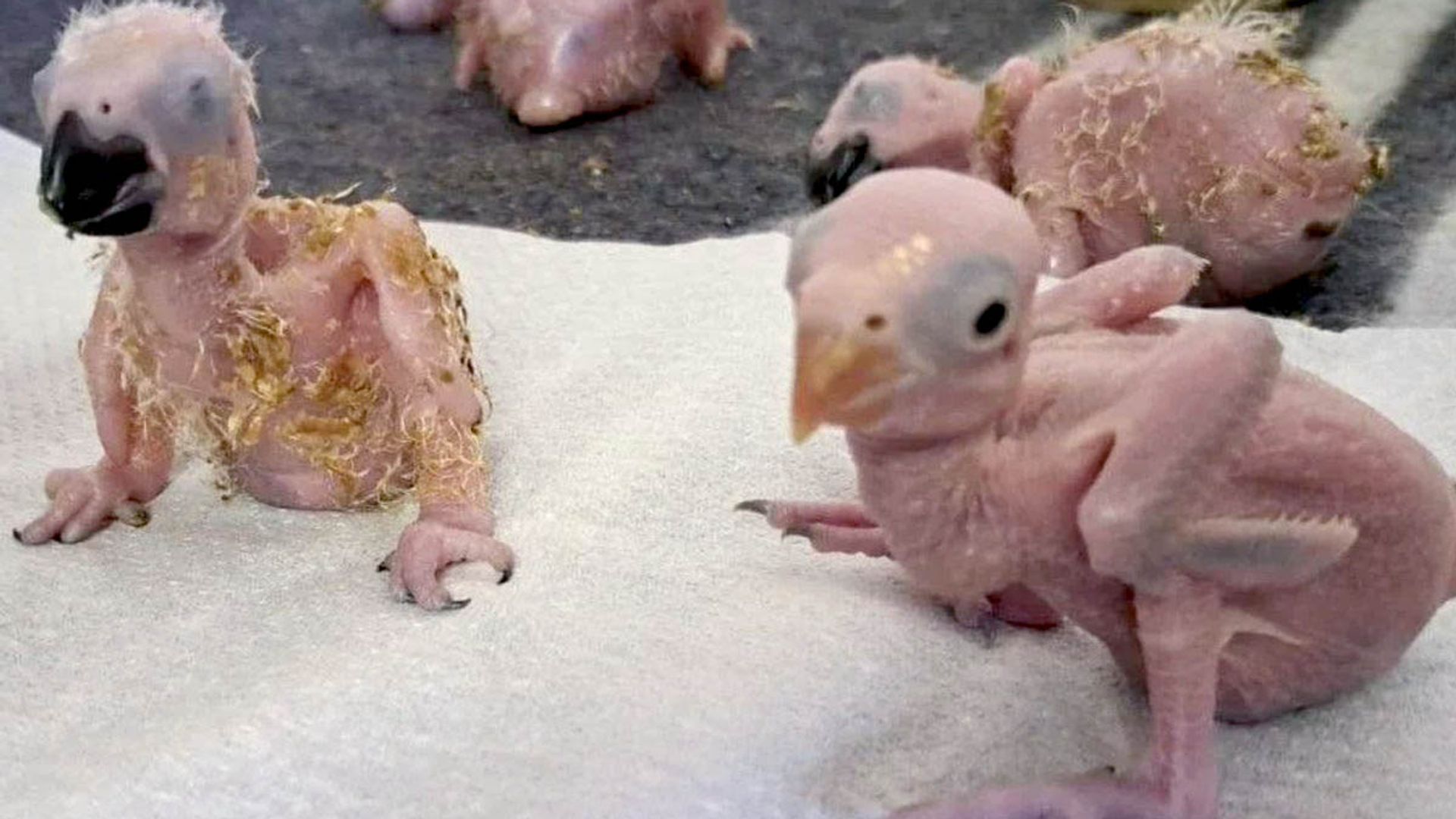
Two men were arrested in Pretoria on Tuesday after police seized a shipment of parrot eggs believed to have been taken from a protected reserve. The suspects were taken to the South African Police Service’s wildlife unit and are facing charges under the National Environmental Management: Biodiversity Act. The eggs were discovered in a vehicle parked near the city’s central market, and forensic analysis confirmed they were from a species listed as endangered by the International Union for Conservation of Nature (IUCN).
The case highlights a growing problem in southern Africa: the illegal trade in wildlife products. Endangered parrots, such as the African grey and the blue-banded parrot, are prized for their bright colours and vocal abilities. Every year, hundreds of thousands of eggs and chicks are trafficked across borders, driven by demand in Europe and the Middle East. CITES, the international treaty that regulates trade in endangered species, lists these parrots in Appendix I, meaning commercial trade is prohibited. Yet smuggling networks continue to thrive, exploiting weak enforcement and corruption.
Police say the two men were caught after a routine raid on a suspected smuggling ring that had been operating for months. The eggs were wrapped in tissue paper and hidden inside a container of fresh fruit. Witnesses report that the men had been in contact with buyers in Dubai and were planning to sell the eggs for a reported $5,000 each. The officers seized the eggs, the container, and a set of passports and travel documents. The suspects are now being held on bail, and a court hearing is scheduled for next month.
If convicted, the men could face up to ten years in prison and a fine of up to 1.2 million rand. The case may prompt stricter scrutiny of wildlife trade routes and could lead to tighter border controls for exotic species. Conservationists say that every successful raid is a win for biodiversity, but the persistence of smuggling networks means that more resources and international cooperation are needed to protect these birds for future generations.
Read Full Story at Sky News →