DHS cancels $126 million ICE detention complex in Socorro, Texas
The Department of Homeland Security has canceled plans for a $126 million ICE detention complex in Socorro, Texas, due to strong opposition from local community groups concerned about infrastructure …
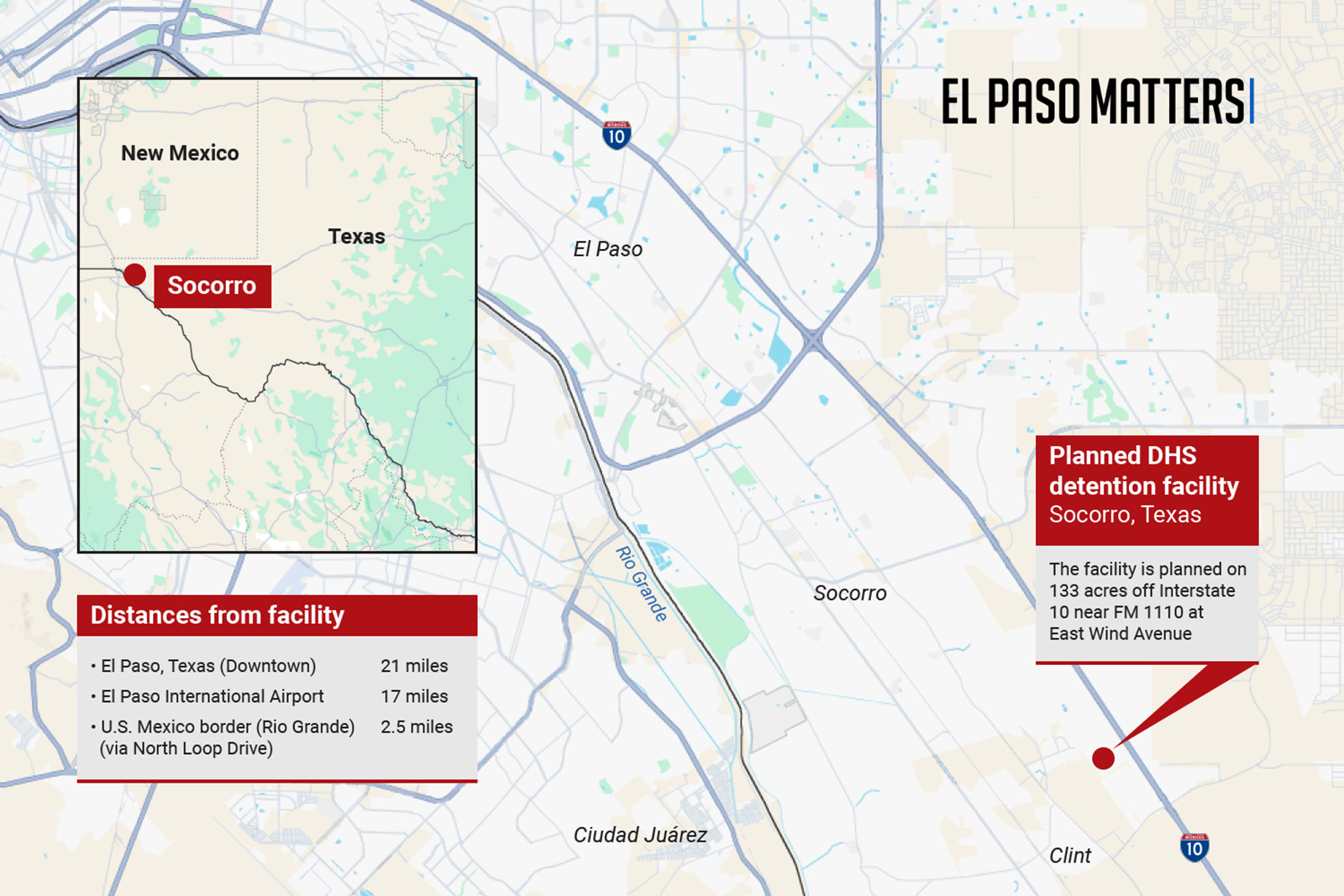
The Department of Homeland Security (DHS) has abandoned plans to build a massive $126 million Immigration and Customs Enforcement (ICE) detention complex in Socorro, Texas. Community groups, including Catholic parishes and local residents, mounted a significant opposition effort, citing both moral concerns and warnings about the town's inadequate infrastructure to support such a facility.
The plan's cancellation comes amid rising scrutiny of immigration enforcement strategies and the conditions in detention centers across the country. Activists argue that such facilities contribute to the criminalization of migrants and foster inhumane conditions. The Socorro complex would have been the largest ICE detention center in the United States, a fact that alarmed many residents who felt the proposed facility would exacerbate existing issues in their community, such as overcrowding and strained public services.
Opponents of the detention center mobilized quickly, organizing community meetings, protests, and petitions to voice their concerns. They highlighted the potential for increased local crime, public health risks, and the impact on families in the area. By gathering support from various organizations and leveraging the moral stance of the Catholic Church, they effectively pressured local officials and DHS to reconsider the project.
Moving forward, the cancellation may signal a shift in how local communities engage with federal immigration policies. Activists hope that this victory will inspire similar movements across the country, challenging the expansion of detention centers and advocating for more humane immigration reform. The decision reflects a growing sentiment against punitive measures in immigration enforcement, emphasizing the need for alternatives that prioritize human dignity and community well-being.
Read Full Story at Religion News Service →



