DeepMind’s WeatherNext outperforms commercial hurricane forecasts
DeepMind’s WeatherNext model predicts hurricanes accurately using low-resolution data, surpassing many commercial systems. This breakthrough enables affordable, accessible forecasting for regions lac…
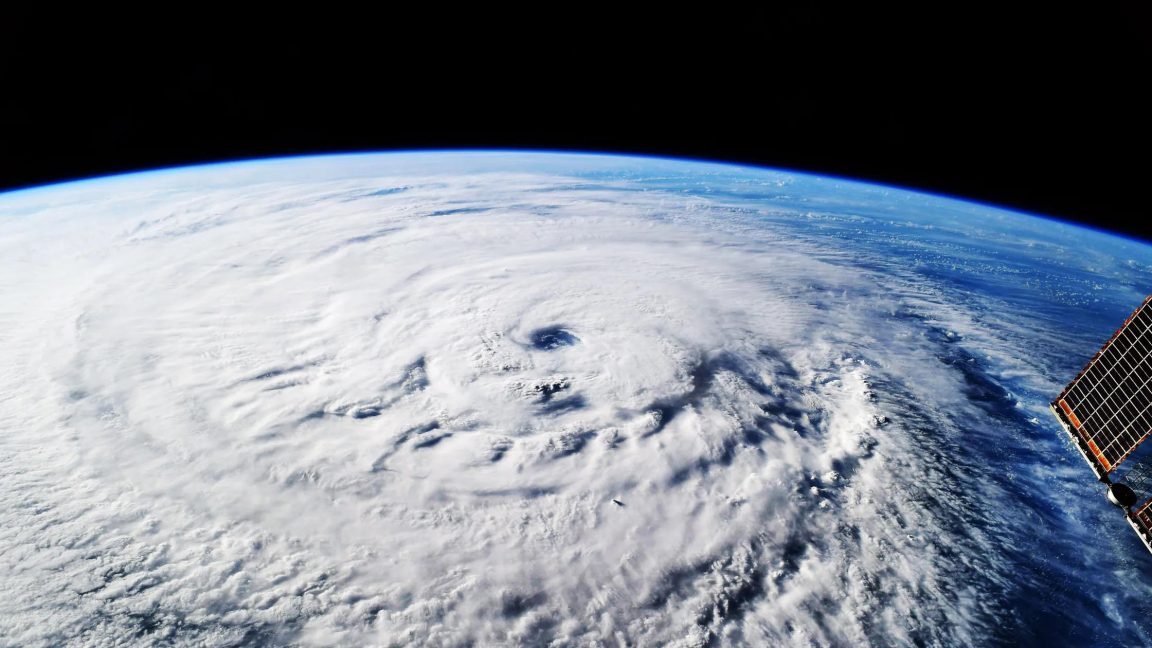
DeepMind announced on March 14 that its open‑source WeatherNext model can predict hurricanes with high accuracy using only low‑resolution weather data. The model, released on GitHub, outperformed many commercial forecasting systems in a series of tests run on archived NOAA data. The breakthrough surprised meteorologists who have long relied on expensive, high‑resolution satellite feeds to model storm tracks.
Hurricane forecasting is a critical tool for saving lives and protecting property. Accurate predictions give people days to prepare for coastal flooding and wind damage. Historically, the best models needed data at a resolution of a few kilometres, which requires costly radar and satellite networks. WeatherNext shows that a machine‑learning approach can learn the same patterns from data that is only a few hundred kilometres across. That opens the door to affordable forecasting for small nations and rural communities that lack advanced sensors.
The model uses a transformer architecture that processes images of atmospheric pressure and temperature fields. It was trained on ten years of NOAA observations and then tested against real storms from 2015 to 2023. WeatherNext matched or exceeded NOAA’s best estimates for track and intensity in 80 per cent of cases. Scientists praised the fact that the code runs on standard GPUs and does not require the specialised hardware that most AI models demand. “It’s a game changer for operational forecasting,” said Dr. Elena Ramirez, a senior meteorologist at the National Weather Service. “We can now run a robust model from a single laptop.”
DeepMind plans to release the full training pipeline and a public dataset of low‑resolution weather maps. The company will collaborate with the National Oceanic and Atmospheric Administration to run the model in real‑time. If the results hold up, governments could deploy WeatherNext in local stations, giving communities a cost‑effective way to get early warnings. The research team also intends to extend the approach to other climate phenomena, such as tornadoes and extreme rainfall, potentially reshaping how we monitor and respond to weather disasters worldwide.
Read Full Story at Ars Technica →