NASA's Curiosity rover explores Martian erosional surface for geological clues
NASA's Curiosity rover is exploring an erosional supersurface on Mars to uncover clues about the planet's past environments and habitability. This investigation is key to understanding Mars' geologic…
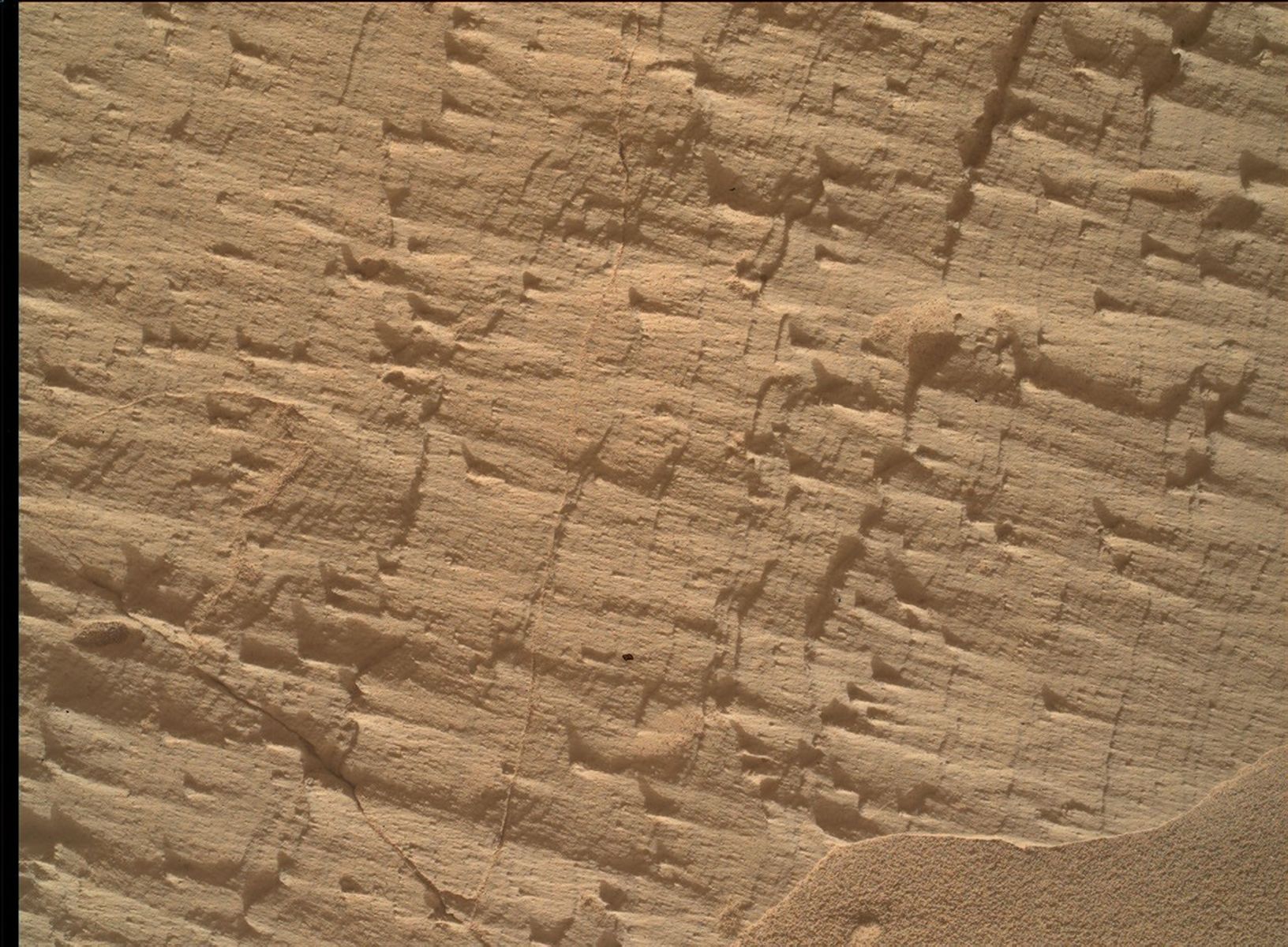
NASA's Curiosity rover is currently navigating a significant geological feature on Mars known as an "erosional supersurface." This exploration, taking place over the course of several sols from July 31 to August 6, 2026, is part of Curiosity's long-term mission to understand the planet's past environments and assess its habitability.
The investigation into the supersurface is crucial for piecing together Mars' geological history. Scientists believe this feature marks a transitional period in the planet's sedimentary record, indicating a shift from a net depositional environment to one that experienced erosion. By studying these changes, researchers aim to gain insights into past climate conditions and how they may have affected the planet's ability to support life. Understanding these shifts is key to determining whether ancient Mars had the necessary conditions for microbial life.
Recent findings from Curiosity indicate that the rover is approaching a critical layer of rock that could provide vital information about these environmental transitions. Preliminary analyses suggest that the sediments in the vicinity of the supersurface may contain clues about the planet's water history and atmospheric changes. This data can help scientists reconstruct the timeline of Mars' climate evolution.
Looking ahead, Curiosity's ongoing mission will involve detailed examinations of the rocks and sediments in this area. This work is expected to culminate in a comprehensive understanding of how Mars transitioned from a potentially habitable environment to the arid landscape we see today. The results could reshape our understanding of not only Mars' history but also the broader context of planetary evolution and the conditions necessary for life beyond Earth.
Read Full Story at NASA →