Trump opens 92 million acres of wildlife refuges to hunting, fishing
The U.S. Department of the Interior will open over 92 million acres of national wildlife refuges to hunting and fishing, marking the largest access expansion in history. This decision is celebrated b…
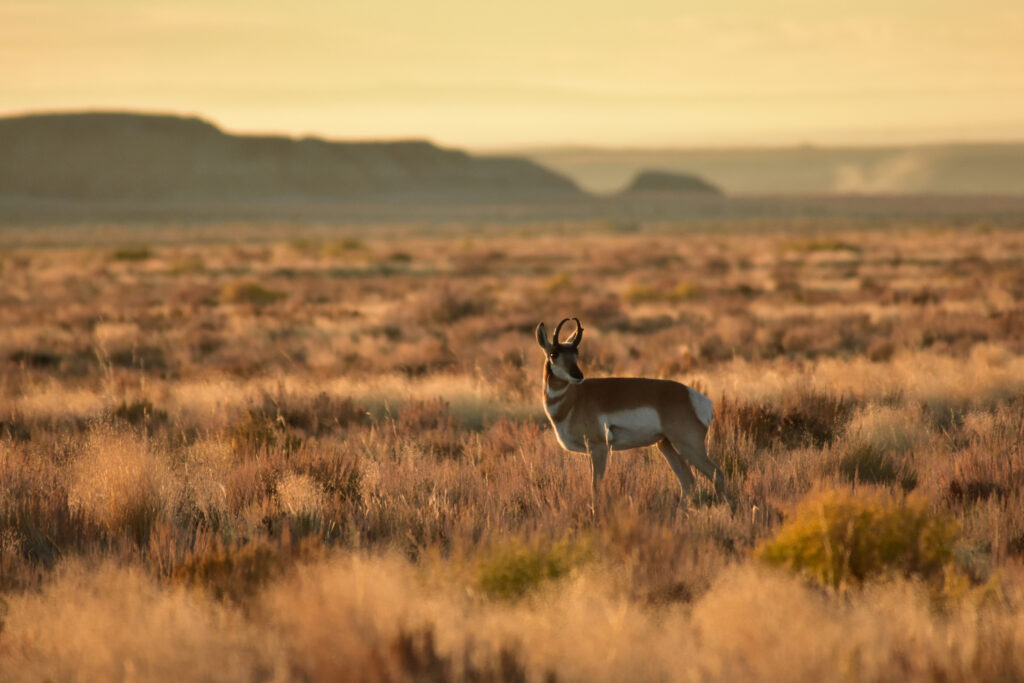
The U.S. Department of the Interior announced on Thursday that more than 95 percent of land within national wildlife refuges will soon be open to hunting and fishing. This landmark decision marks the largest expansion of access to wildlife refuges in U.S. history, allowing sportsmen to access over 92 million acres across 32 states. The announcement has been met with enthusiasm from hunting and fishing advocacy groups, who see it as a significant win for outdoor recreation.
The decision comes amid increasing pressure from various stakeholders to expand access to public lands. In recent years, the Trump administration has prioritized outdoor recreation as a means to promote economic growth and tourism. The push aligns with a broader national trend where government agencies are seeking to balance conservation efforts with recreational use, reflecting a shift in policy that favors increased access over strictly protective measures. This change in direction has sparked debates about the potential impacts on wildlife populations and habitat conservation.
Supporters of the expansion argue that hunting and fishing can help manage wildlife populations and contribute to conservation funding through licensing fees and taxes on equipment. According to the National Shooting Sports Foundation, outdoor recreation generates about $887 billion annually for the U.S. economy and supports millions of jobs. However, critics warn that increased human activity in sensitive habitats could disrupt ecosystems and harm wildlife. Environmental groups have expressed concern that this expansion could lead to overhunting and fishing, stressing the need for balanced management practices to protect vulnerable species.
Moving forward, the Department of the Interior plans to implement specific guidelines to manage hunting and fishing on these newly accessible lands. The implications of this expansion will unfold over the coming years as state and federal agencies monitor wildlife populations and habitats. This decision highlights a critical intersection of conservation, recreation, and economic interests, raising questions about how best to manage public lands for future generations.
Read Full Story at Inside Climate News →