NASA reveals new mid-infrared image of Cepheus Flare using James Webb
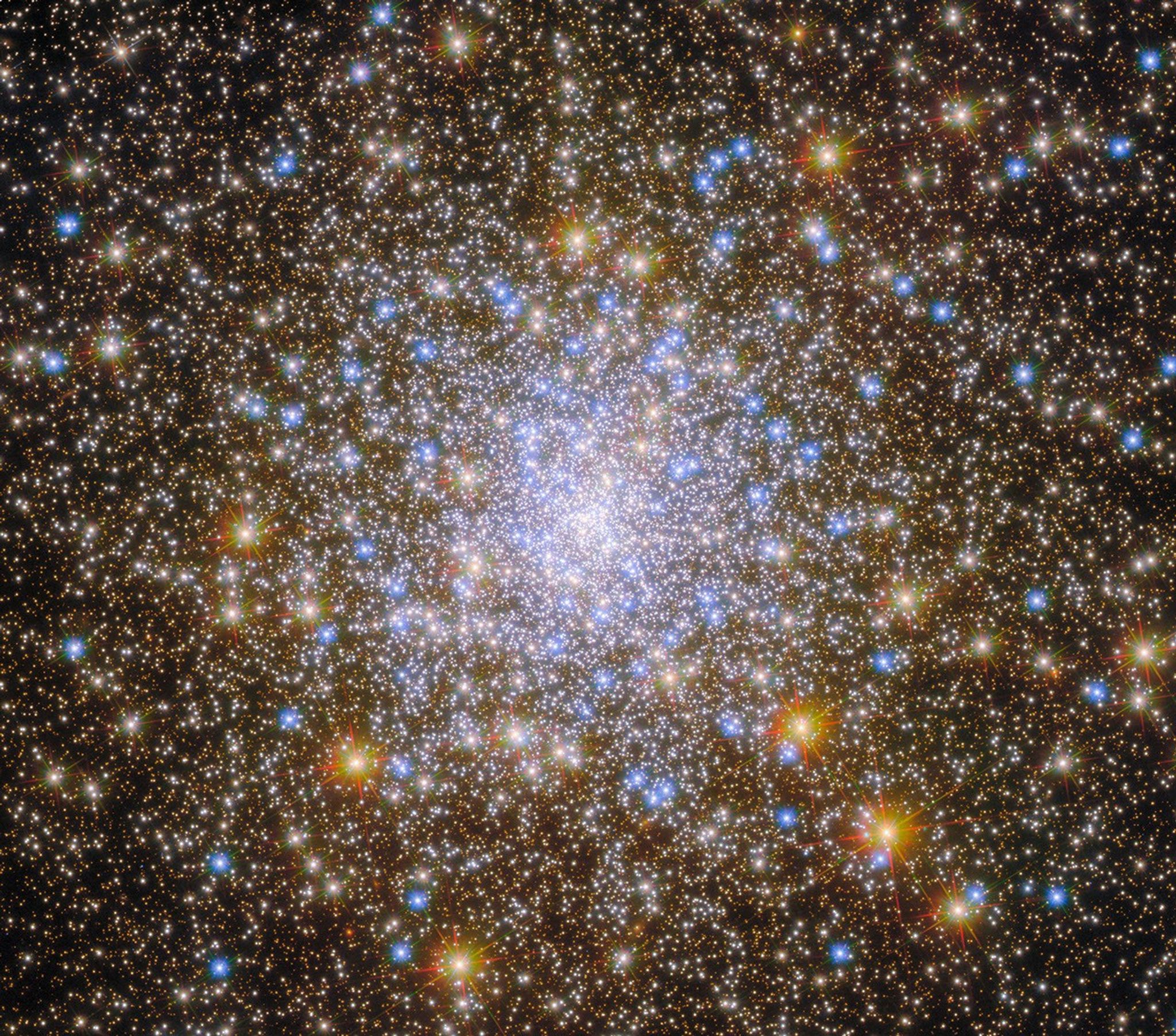
NASA's Astronomy Picture of the Day showcased a new mid-infrared image of the Cepheus Flare, revealing protostars and a shock front, captured by the James Webb Space Telescope. This high-resolution o…

NASA’s Astronomy Picture of the Day featured a new image of the Cepheus Flare on 30 October 2026, showing a ghostly cloud of gas and dust illuminated by newborn stars. The picture, captured by the James Webb Space Telescope, was posted on the agency’s website along with a brief description by astronomer Dr Mira Patel. It marks the first time the region has been imaged in the mid‑infrared with such clarity.
The Cepheus Flare is a sprawling star‑forming complex about 1,500 light‑years from Earth, known for its tangled filaments of cold molecular gas. Astronomers have been watching it closely because it offers a laboratory for studying how low‑mass stars like the Sun emerge from dense clouds. Recent data from the European Space Agency’s Gaia mission have refined the distances to several clusters in the area, prompting a coordinated observing campaign last year. The new JWST image reveals dozens of protostars still wrapped in their natal cocoons, and it highlights a previously unseen shock front where a massive star’s wind is carving a cavity through the cloud.
The release of the image has sparked interest from both the scientific community and the public. Researchers say the high‑resolution view will help calibrate models of early stellar evolution and may guide future surveys with the upcoming Nancy Grace Roman Space Telescope. NASA’s APOD team plans to feature follow‑up images as the region evolves, and the agency has opened a citizen‑science portal for volunteers to help catalog the faint sources. The next scheduled observation of the Cepheus Flare is set for March 2027, when JWST will target the same field in the near‑ultraviolet to trace the chemistry of the gas. The ongoing study promises to deepen our understanding of how stars and planets begin their lives in the shadows of cosmic clouds.
Read Full Story at NASA →