NASA's Voyager 2 captures new Neptune image, reveals dynamic weather patterns.
NASA's Voyager 2 spacecraft captured a new image of Neptune on November 21, 2026, highlighting its blue color and dynamic weather patterns. This ongoing analysis of Voyager 2's data, originally colle…
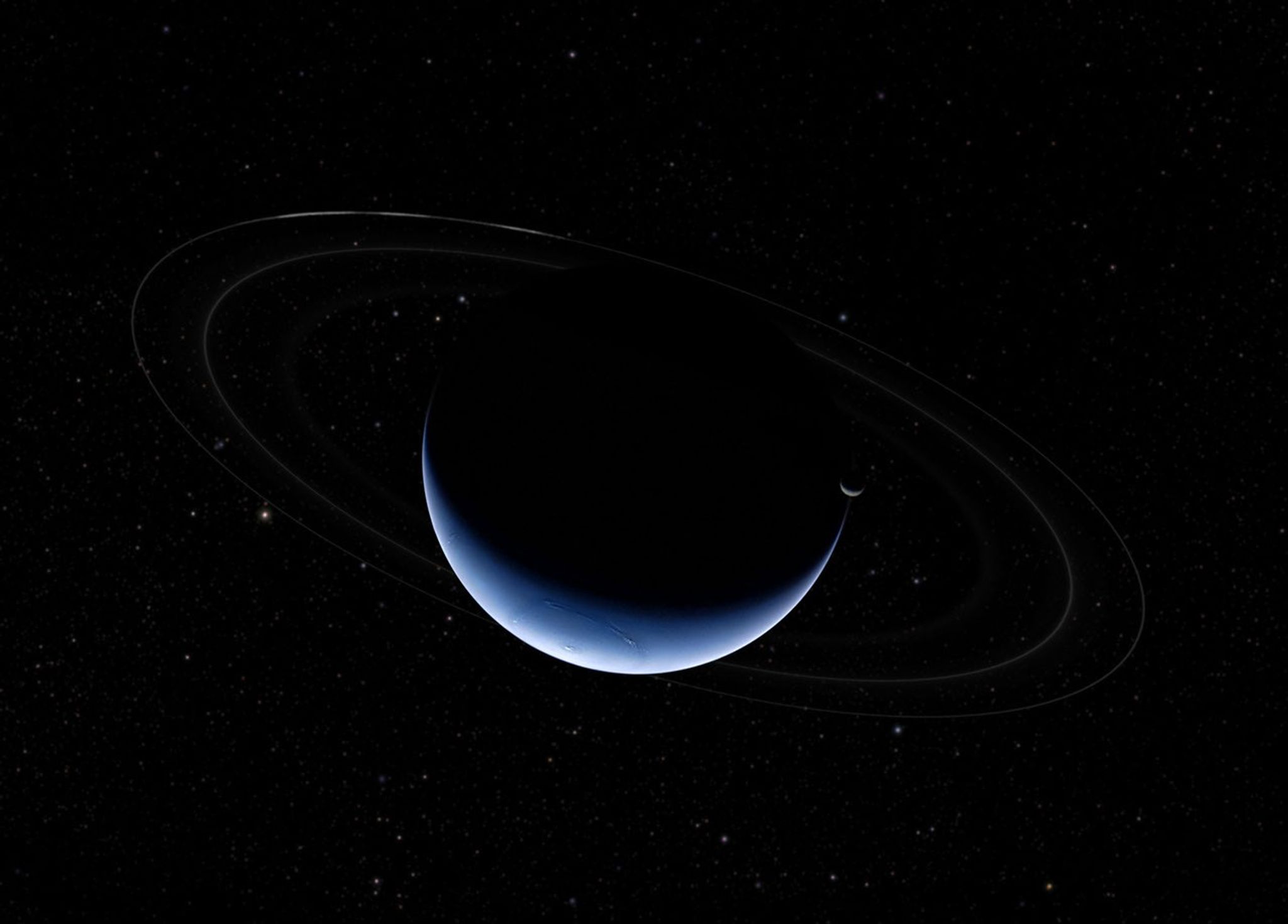
NASA's Voyager 2 spacecraft captured a stunning image of Neptune, the eighth planet from the Sun, on November 21, 2026. This image is part of the Astronomy Picture of the Day (APOD) series, which showcases remarkable astronomical features. Voyager 2, launched in 1977, is the only spacecraft to have visited Neptune, providing invaluable data about the planet and its moons.
The release of this image comes as part of ongoing efforts to celebrate and analyze the data returned by Voyager 2 during its historic flyby of Neptune in 1989. At that time, the spacecraft delivered groundbreaking insights into the planet's atmosphere, rings, and its largest moon, Triton. With advancements in technology, scientists are now able to revisit these images and data, leading to new discoveries and deeper understanding of our solar system.
This particular image highlights Neptune's striking blue color, a result of methane in its atmosphere, and reveals dynamic weather patterns and storm systems that resemble those on Earth. The Voyager mission has yielded a wealth of information, including the detection of nine moons and the discovery that Neptune has a complex and active atmosphere. Voyager 2 continues to send data from beyond the heliosphere, contributing to our understanding of interstellar space.
Looking ahead, NASA plans to continue analyzing the data collected by Voyager 2, which is currently over 12 billion miles from Earth. This mission will not only enhance our knowledge of Neptune but also inform future explorations of the outer planets. As technology evolves, researchers hope to develop new missions that could revisit these distant worlds, further unraveling the mysteries of our solar system.
Read Full Story at NASA →