Archaeologists uncover 4,350-year-old tomb of Sekhentio-Ptah at Saqqara
Archaeologists have discovered a 4,350-year-old tomb at Saqqara belonging to Sekhentio-Ptah, an official known as the "keeper of the secrets of royal decrees." This finding enriches our understanding…
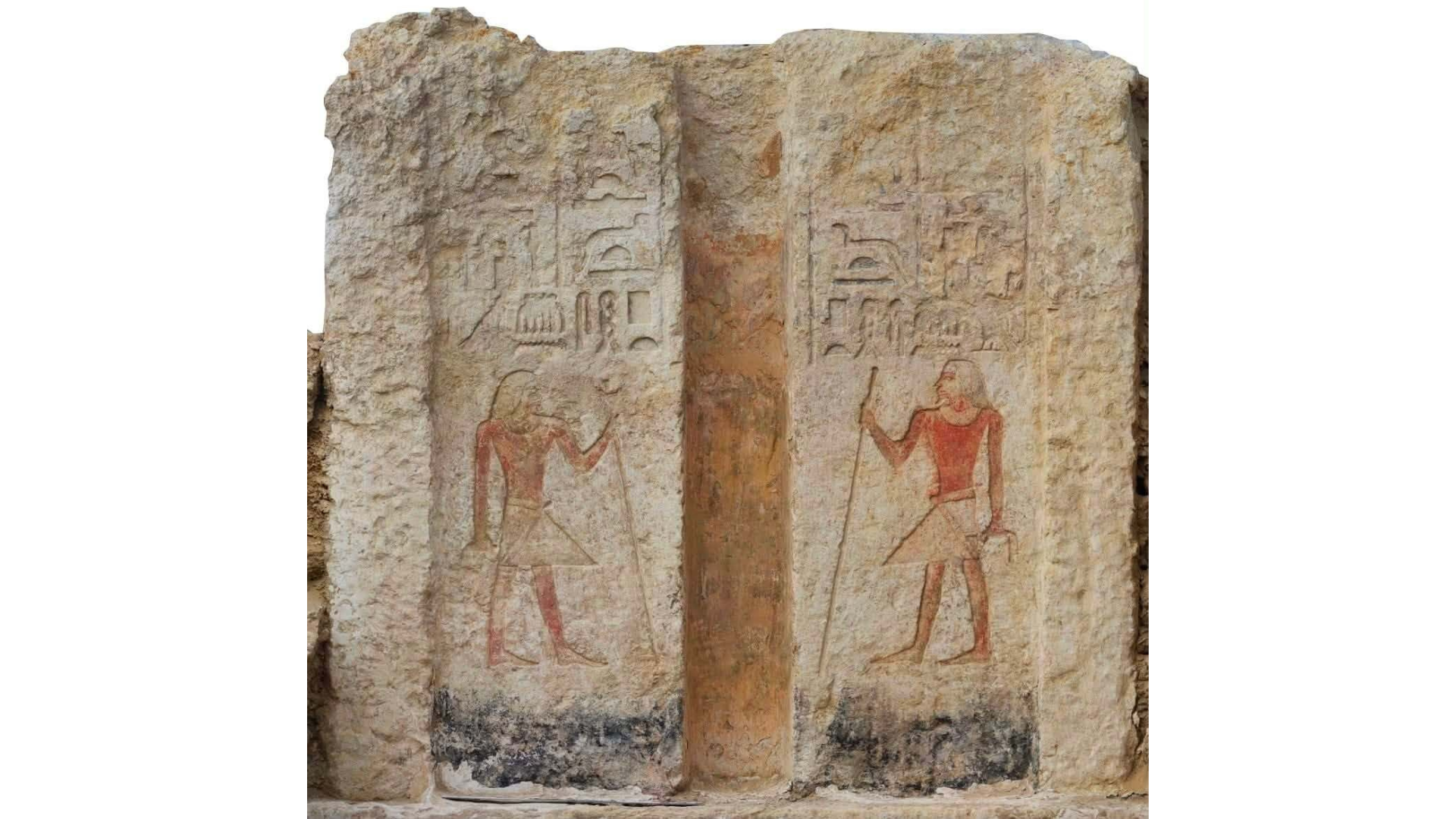
Archaeologists have uncovered an ancient tomb at Saqqara, believed to belong to an official named Sekhentio-Ptah, who held the title of "keeper of the secrets of royal decrees." The discovery was announced following recent excavation efforts in the area, a site renowned for its rich history and connection to the Old Kingdom of Egypt, which lasted from 2649 to 2150 B.C.
The excavation comes at a time when interest in Egypt's archaeological treasures is surging. Saqqara, a burial ground located south of Cairo, is known for its extensive network of tombs and pyramids. The title "keeper of the secrets" may sound enigmatic, but experts suggest it likely referred to a bureaucratic role tied to the management of royal documents. Ann Macy Roth, an Egyptology professor at New York University, noted that this position would have granted Sekhentio-Ptah access to sensitive information relating to royal decrees.
Inside the tomb, archaeologists found an offering table, a purification basin, and two false doors, which were designed to permit the soul's movement between the tomb and the afterlife. The design of these false doors indicates the tomb dates back approximately 4,350 years, likely placing it in the late fifth or early sixth dynasty. The team also discovered over 100 shabtis, or figurines meant to serve the deceased in the afterlife, along with a wooden statue of a falcon, possibly linked to the god Horus. The mummy of Sekhentio-Ptah, however, has yet to be identified.
The location of the tomb, within the Bubasteion area of Saqqara, highlights the site's historical significance. It was primarily associated with cat burials in later periods, particularly during the late period (circa 664 to 332 B.C.), emphasizing the connection between the area and the goddess Bastet, who represented fertility and protection. While no cat burials were reported in this particular tomb, the findings suggest it may have been reused for later burials, a common practice in ancient Egypt. Further research is anticipated to shed light on the tomb's significance and the broader context of the Old Kingdom.
Read Full Story at Live Science →