New study challenges 50-year-old theory on gene mutation rates
Recent research challenges a 50-year-old theory that essential genes are less prone to mutations, suggesting they may actually experience similar mutation rates as non-essential genes. This finding c…
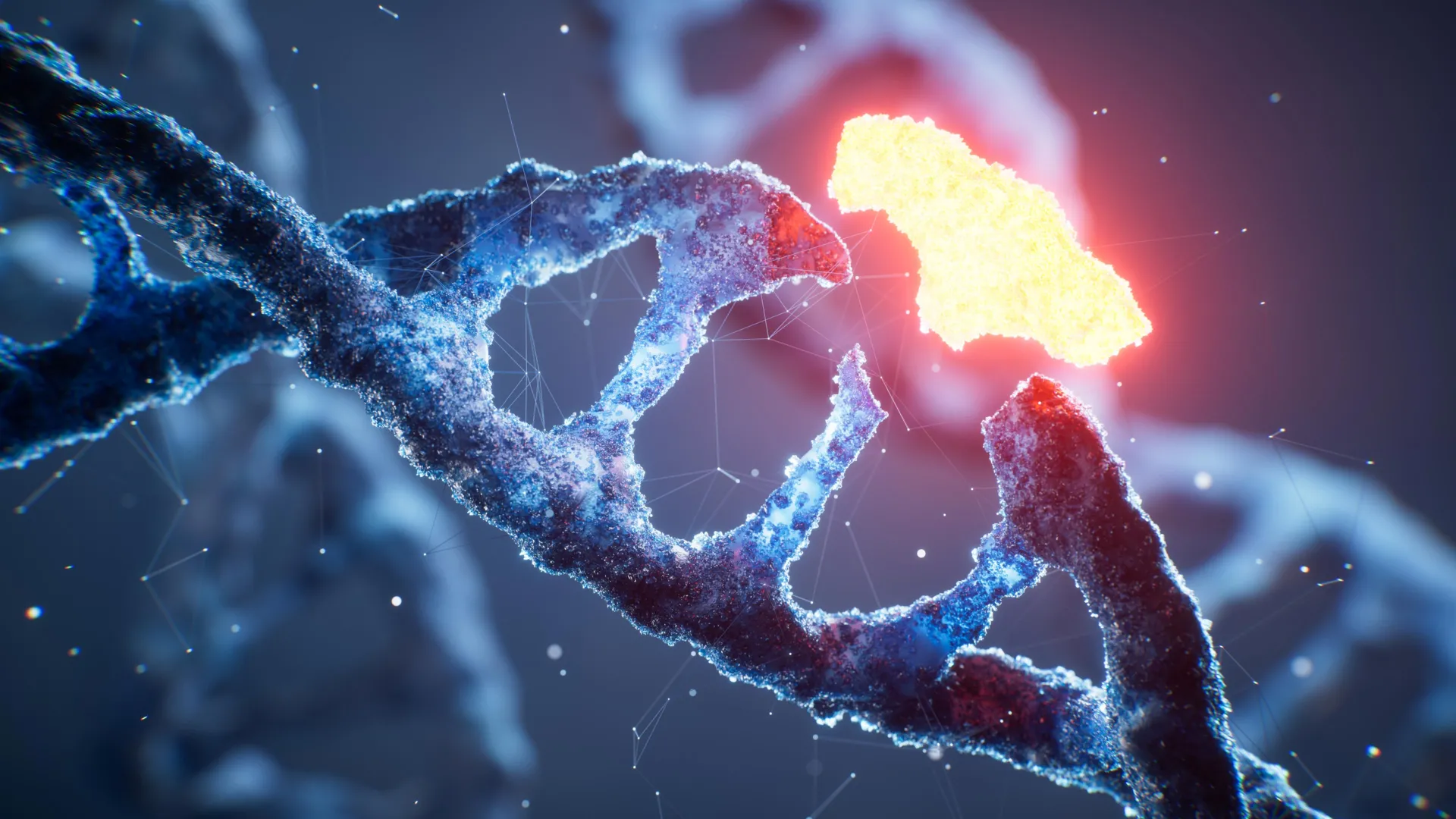
A longstanding theory in evolutionary biology, which posits that essential genes are shielded from mutations, has been challenged by new research. The study, involving a comprehensive analysis of mutations in bacteria and yeast, found no significant evidence that important genes are less prone to mutation than other genes. This finding suggests that the evolution of essential genes may be much more dynamic than previously thought.
The theory, which has stood for about 50 years, suggested that natural selection protects crucial genes from harmful mutations. Researchers believed that because these genes are vital for survival, mutations that could disrupt their function would be quickly eliminated. However, the recent study indicates that earlier conclusions may have been influenced by the visibility of harmful mutations that were lost to natural selection before they could be observed, casting doubt on the protective role of natural selection in preserving essential genes.
The study's findings have implications for our understanding of how evolution operates at the genetic level. By examining a large sample of mutations, the researchers concluded that the mutation rates for essential and non-essential genes are relatively similar. This challenges the traditional view and suggests that essential genes may experience a greater variety of mutations than previously recognized, potentially leading to new functions or adaptations.
As the scientific community grapples with this new perspective, further research will be critical. Understanding the mutation dynamics of essential genes may help clarify how organisms adapt to changing environments and could reshape the current evolutionary framework. This shift could influence fields ranging from genetics to medicine, particularly in how we approach genetic diseases and the evolution of antibiotic resistance in bacteria.
Read Full Story at ScienceDaily →